
Nepal’s Tea & Coffee Exports: A Himalayan Flavor with Global Demand
Nepal is steadily emerging as a specialty tea and coffee origin, offering unique flavor profiles shaped by high-altitude farming, rich soil, and traditional cultivation methods. While often overshadowed by neighboring producers, Nepalese tea and coffee are now gaining recognition in premium and specialty markets worldwide.
With growing demand for organic, traceable, and ethically sourced beverages, Nepal’s tea and coffee sector represents a strong opportunity for global buyers seeking differentiation and quality.
Why Nepal Tea and Coffee Are Different
High-Altitude Cultivation
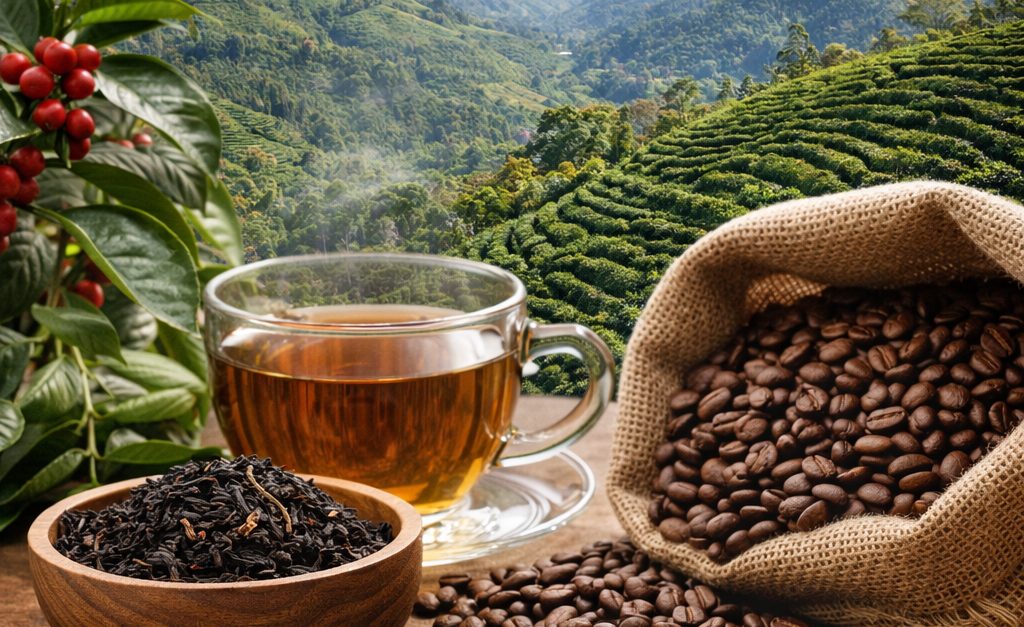
Tea gardens and coffee farms in Nepal are located at elevations ranging from 800 to over 2,000 meters, resulting in slower plant growth and more complex flavor profiles. This altitude advantage produces teas with floral notes and coffees with mild acidity and smooth body.Organic and Low-Input Farming
Many Nepalese farms rely on natural compost and minimal chemical inputs, making it easier to meet organic and sustainability standards demanded by EU, US, and Japanese markets.Smallholder & Cooperative-Based Production
Tea and coffee production in Nepal is dominated by smallholder farmers and cooperatives, ensuring community-based income generation and strong traceability — a major selling point for specialty buyers.
Nepal Tea Exports: Rising Recognition in Specialty Markets
Nepalese tea, particularly orthodox and specialty teas, has seen increasing demand in international markets. Unlike mass-produced CTC teas, Nepal focuses on hand-processed, premium-grade teas that compete in quality-driven segments.
Popular Nepal Tea Varieties for Export:
- Orthodox Black Tea
- Green Tea
- White Tea
- Oolong Tea
- Hand-rolled specialty teas
Key Export Markets:
India, Germany, France, Netherlands, United States, and Japan
Nepal Coffee: A Growing Niche Export
Nepalese coffee is a small but fast-growing export category, prized for its clean taste, mild acidity, and organic cultivation. Grown mainly in the mid-hills, Nepal coffee is often shade-grown and hand-picked, making it suitable for specialty roasters.
Key Characteristics of Nepal Coffee:
100% Arabica
Organic by default (low chemical use)
Hand-harvested and sun-dried
Cooperative-based processing
Major Importing Regions:
Japan, South Korea, Europe, and specialty roasters in the US
Value Addition Opportunities for Buyers
Buyers sourcing tea and coffee from Nepal can significantly increase margins through value-added approaches:
- Private Label Packaging (own brand tea or coffee)
- Blended Products (herbal tea blends, specialty roasts)
- Ready-to-Brew Formats (tea bags, drip coffee)
- Story-Driven Branding (farm-to-cup storytelling)
These strategies help Nepal-origin products compete in premium retail and online marketplaces.
Value Addition Opportunities for Buyers
Buyers sourcing tea and coffee from Nepal can significantly increase margins through value-added approaches:
- Private Label Packaging (own brand tea or coffee)
- Blended Products (herbal tea blends, specialty roasts)
- Ready-to-Brew Formats (tea bags, drip coffee)
- Story-Driven Branding (farm-to-cup storytelling)
These strategies help Nepal-origin products compete in premium retail and online marketplaces.
Export Logistics & Quality Considerations
When sourcing tea or coffee from Nepal, buyers should focus on:
Quality Testing & Moisture Control
Proper Packaging (foil-lined bags for tea, valve bags for coffee)
Certifications (organic, fair-trade where applicable)
Consistent Supply Planning (seasonal harvest cycles)
Working with experienced exporters or sourcing partners helps ensure compliance with international food safety and customs requirements.
Challenges in Nepal’s Tea & Coffee Export Sector
Despite strong potential, the sector faces challenges such as:
Limited international branding compared to major tea/coffee origins
Smaller production volumes
Inconsistent logistics infrastructure
However, these challenges also create opportunities for buyers willing to build long-term sourcing partnerships and invest in branding and quality consistency.
How Buyers Can Source Tea and Coffee from Nepal
Partner with verified cooperatives and exporters
Request samples and lab analysis before bulk orders
Start with small-volume trial shipments
Focus on long-term sourcing contracts for consistency
Conclusion
Nepal’s tea and coffee exports are no longer hidden gems — they are emerging premium products with growing international demand. For buyers seeking distinct flavor profiles, ethical sourcing, and authentic origin stories, Himalayan tea and coffee offer a compelling opportunity.
With the right sourcing strategy, Nepal can become a trusted specialty origin in global beverage markets.
📩 Ready to import from Nepal?
Contact us today for samples, pricing, or consultation:
🔗 www.sourcingnepal.com
📧 sourcing@sourcingnepal.com
📞 +977-9823900499